Secrets to Baking Cookies Everyone Remembers
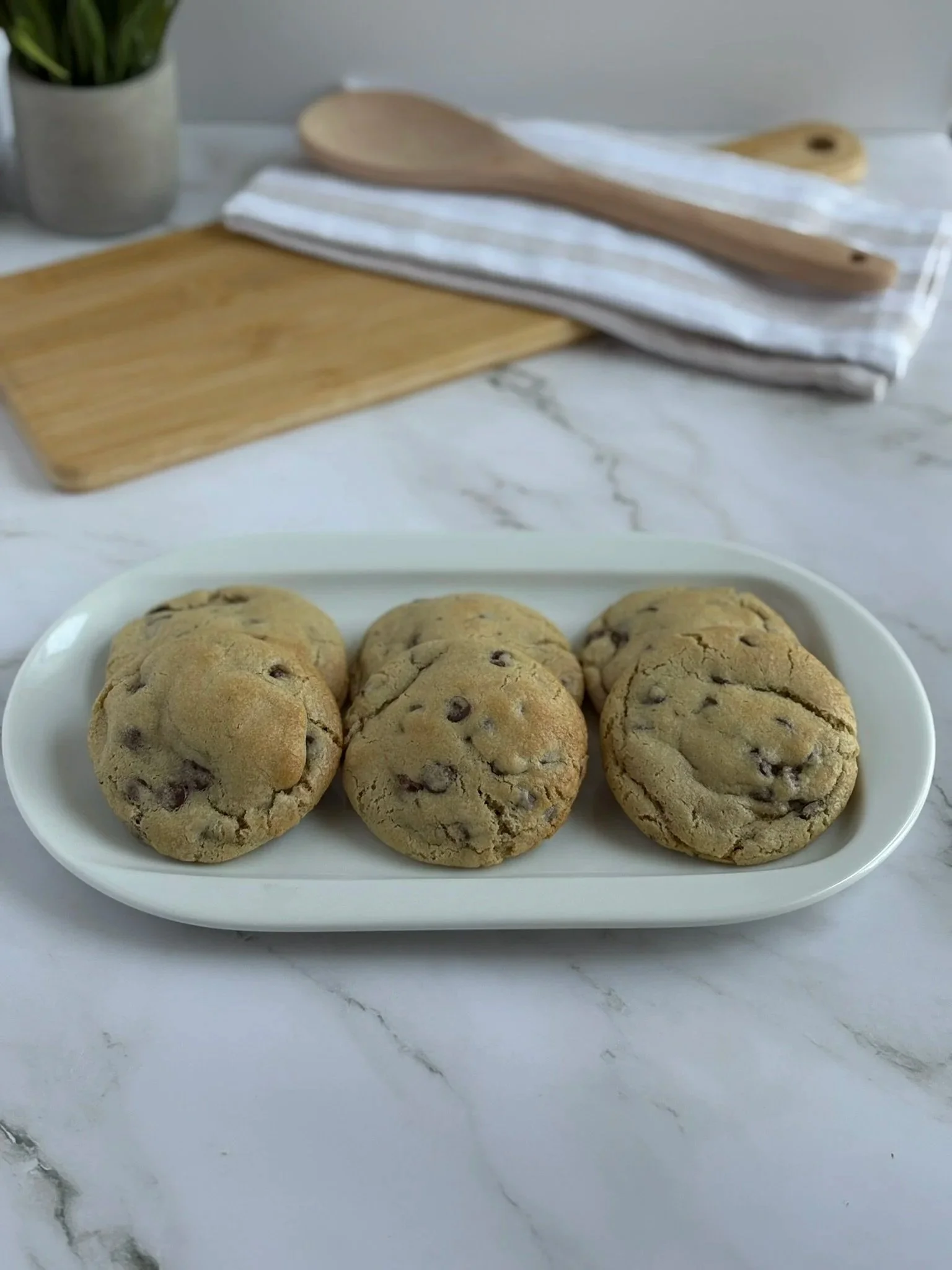
There’s something magical about pulling a tray of warm cookies out of the oven — the smell of butter and sugar filling the kitchen, the edges just golden, and the centers soft and chewy. It’s a little moment of comfort that never gets old. Over the years, I’ve learned that a few small techniques make all the difference between “just okay” cookies and the kind of cookies people talk about and ask for again and again.
In this post, I want to share some of my favorite cookie tips — the same ones I’ve used for decades in both my home kitchen and in my bakery. These little adjustments can help you feel more confident every time you bake and, more importantly, enjoy the process along the way.
The Importance of Flour
One of the biggest cookie game-changers is how you measure your flour. It might not seem like a big deal, but it can truly make or break your cookies. Scooping straight from the bag can pack in too much flour, leaving you with dry, dense results.
For the best success, weigh your flour on a kitchen scale. If you don’t have one, use the “fluff, scoop, and level” method: gently fluff the flour with a spoon or whisk, scoop it into your measuring cup, and level it off with a flat edge. This small detail can save so much frustration.
Because of this, my recipes don’t always match the “universal” flour weight of 120–125 g per cup. I’ve always tested using my method, which works out to about 150 g per cup — the way I’ve baked for decades.
The Creaming Method Matters
How you combine butter and sugar makes a world of difference in texture:
Cream until light and fluffy → creates more lift, airiness, and a slightly cakier cookie.
Cream just until combined → gives you a denser, chewier cookie (my personal favorite).
Neither is right or wrong — it all depends on the cookie experience you’re after.
Butter Temperature Changes Everything
Butter is another little choice that changes your cookie outcome:
Cold butter → creates thicker, bakery-style cookies that spread less.
Softened butter → makes cookies spread more, with that classic homemade feel.
I often think of butter as a “cookie personality test” — what you want your cookie to be like usually starts with this decision.
Chilling the Dough
Letting your dough rest in the fridge is one of the simplest ways to improve flavor and texture. Even 30 minutes makes a difference: the flour has time to absorb moisture, and the flavors deepen.
Tip: scoop your dough before chilling to save your wrists from scooping firm, cold dough later. Pre-scooping also makes it easier to freeze portions for another day.
Quick chill (30 minutes): deeper flavor, slightly thicker cookies.
Overnight chill: maximum flavor and the thickest cookies.
Mix-Ins Make It Fun
Chocolate chips are the classic, but cookies are a wonderful place to play:
Try chopped chocolate bars for puddles of melted chocolate.
Add toffee bits, nuts, or even pretzels for a mix of sweet and salty.
Use seasonal candies or dried fruits to make the recipe your own.
A good cookie base is like a blank canvas — it’s yours to personalize.
Don’t Overbake
The single best piece of advice I can give is this: pull your cookies out of the oven before they look fully baked.
Cookies continue to bake on the sheet as they cool. If you wait until the centers look firm, you’ll end up with dry cookies. Instead, remove them when the edges are just golden and the centers still look slightly soft. Within minutes of cooling, they’ll set up beautifully.
Final Thoughts
The best part of cookie baking is experimenting to find what you and your family love most. Whether you’re after soft and chewy, crisp and buttery, or cookies loaded with surprises, these little tips will help you bake with confidence.
From my mixing bowl to yours,
Debi